





Recently, I’ve received many questions on my podcast about whether to pursue passive or active investing. To illustrate this decision, let me share a recent experience I had at the horse races.
During the races, I observed many attendees making small bets on various horses throughout the day. However, one individual waited until the last race to place a significant bet of $10,000 on a single horse, and he won. By the end of the day, most of the attendees who made small bets achieved modest, consistent profits, while the punter who went all-in faced the risk of losing everything but was ultimately fortunate in this instance.

This scenario highlights how passive and active investing styles can be highly individual, depending on one’s risk tolerance, desired rewards, and emotional responses to gains and losses.
Investment styles are totally individual, depending upon the level of risk and rewards, and the emotions associated with loss and reward.
Most people remember their losses more than they remember the slow, consistent gains, and some people are just too busy to take care of their own investments. What is your emotional capacity to live with risk and reward?
Click here to listen to Ann’s podcast
Passive Investing
Passive investing is a strategy aimed at replicating the performance of a market index or sector, rather than attempting to outperform it through active management. This approach is commonly implemented through index funds or exchange-traded funds (ETFs). Many investors favor passive investing for its cost-effectiveness, simplicity, and potential for returns over time. It allows investors to participate in market growth without the complexities associated with actively managing a portfolio.
Active Investing
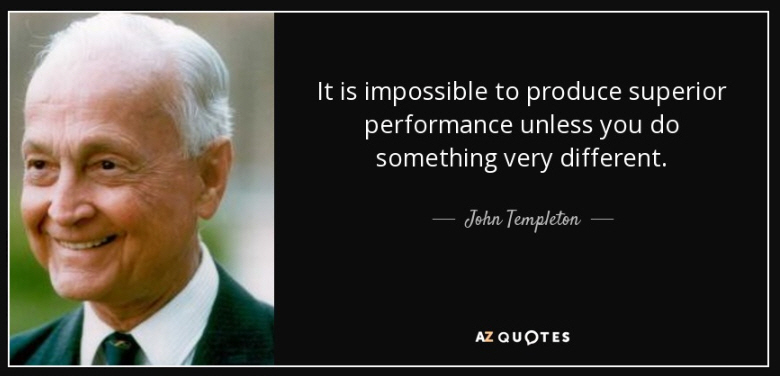
In contrast, active investing seeks to outperform an index or benchmark by making investment decisions based on research, analysis, and market dynamics. This style often involves acquiring undervalued companies for long-term growth. Notable examples of active investors include Warren Buffett, who primarily focused on U.S. companies, and John Templeton, who adopted a more global approach and frequently went against market trends. Both sought undervalued investment opportunities expected to grow over time.
Investors like Eugene Fama and David Booth have employed a hybrid of passive and active strategies, emphasizing fundamentals, quality, market inefficiencies, cost, and compliance. Much of the profit from Berkshire Hathaway can be attributed to initial investments in companies such as the Washington Post, General Electric, and GEICO. This suggests that there can be advantages to selecting stocks you believe in and holding them for the long term.
Whether you lean towards active management or prefer passive investing, it is important to consider your individual situation, preferences, and emotional resilience. The Pacific Hawk investment strategy includes a blend of active and hybrid strategies. Each approach has its benefits and challenges, and the best choice is one that aligns with your investment philosophy, lifestyle, and emotions.